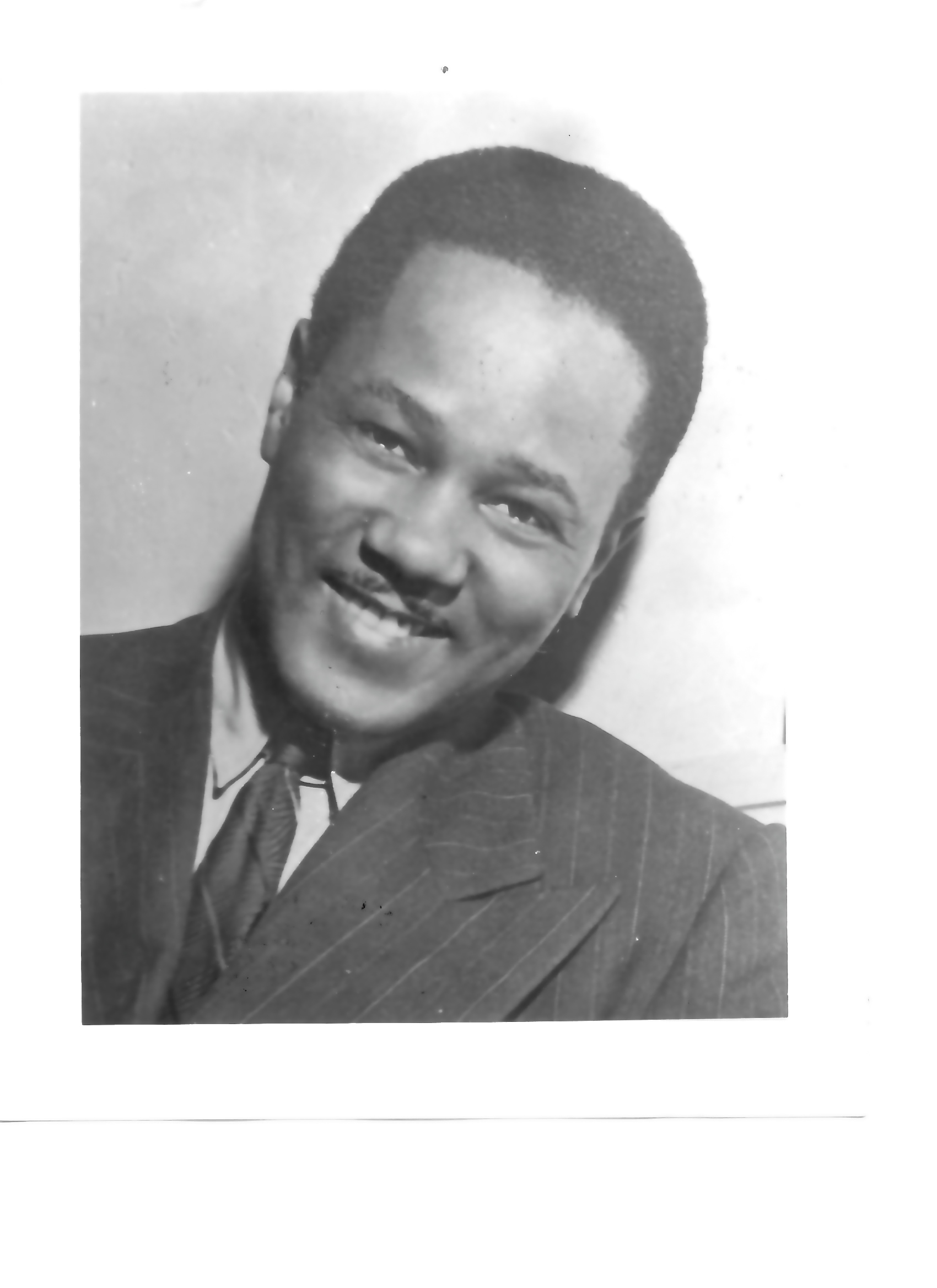
Theodore "Ted" Ward was one of the great pioneers of African American theatre. His legacy as a playwright and also as a teacher and mentor to generations of Black playwrights, directors, and actors in Chicago and elsewhere remains central to Black theatre. Yet the name and the works of Theodore Ward are not nearly as well known as they should be. I myself was unfamiliar with him until 1990 when Prof. Robert A. Martin suggested that I submit a play I had written in his class at Michigan State University to the competition for the Theodore Ward Prize for African American playwrights. I was surprised and honored when, as one of the finalists for the prize, my play The Bridge Party, in which an African American bridge club is disrupted by news of a lynching, was given two performances. It was directed by Paul Carter Harrison and staged at Columbia College in Chicago. It was the experience of having my play performed in Chicago and meeting leaders of African American theatre like Paul Carter Harrison and Chuck Smith, organizer of the Theodore Ward competition, that led me to decide on a career as a playwright.
A couple of decades later I became involved with a new arts organization in Chicago, the Chicago Literary Hall of Fame. Hoping to increase appreciation of the works and example of Theodore Ward among the general public and especially among aspiring African American playwrights, I nominated him for membership in the Hall of Fame and spoke to the executive director, Don Evans, about Ward's influence on Chicago theatre. Once he understood the extent and depth of Ward's contribution to theatre in Chicago and throughout the United States, Evans fully supported the nomination.
The first year Theodore Ward did not garner enough votes to win, but he had become part of the conversation. Knowledge of his career and accomplishments spread among the voters, and in the most recent election he became a unanimous choice. On December 5, 2015 Theodore Ward was inducted into the Chicago Literary Hall of Fame, where he joined many celebrated Chicago writers, including Leon Forrest, Lorraine Hansberry, and his old friends Richard Wright, Gwendolyn Brooks, and Margaret Walker, with whom he worked at the South Side Writers Club in the 1930s....(continued)
To finish reading this article, purchase this issue today.
Get this article and the rest of Vol. 22, No. 3 for only $7.00
Purchase Now