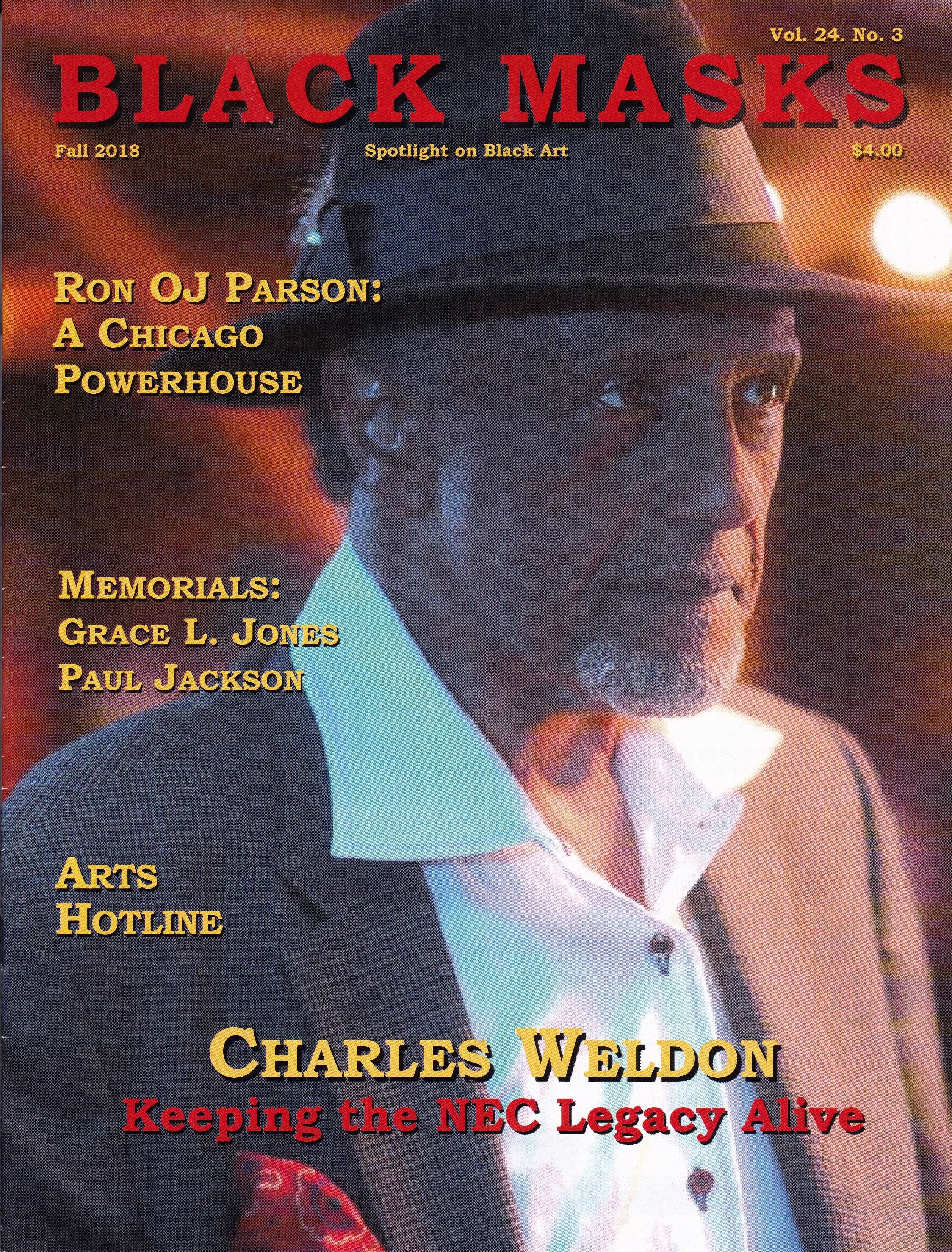
The Negro Ensemble Company was born from a challenge. In 1966, fresh from a triumphant run of his two one-act plays, Day of Absence and Happy Ending at the St. Marks Playhouse on the lower eastside of Manhattan, playwright/actor Douglas Turner Ward challenged the theatre establishment by means of an op-ed article published in The New York Times, titled "American Theatre: For Whites Only?" Ward expressed the need for a producing venue for Black-authored and performed theatre; he envisioned a repertory company similar to Bertoldt Brecht's Berliner Ensemble. Fortuitously, the Ford Foundation responded to his challenge with a generous grant of $1.2 million over three years and the Negro Ensemble Company (NEC) became a reality. For over half a century, this iconic, world famous theatre organization has been accosted by financial problems, artistic differences, and intraracial politics, but has managed to survive.
Actor Robert Hooks and theatre financial manager Gerald S. Krone partnered with Ward in putting NEC on its feet. The inaugural season was mounted in 1967-1968: Ward, as artistic director, selected Song of the Lusitanian Bogey by Peter Weiss, Summer of the Seventeenth Doll by Ray Lawler, Kongi's Harvest by Wole Soyinka, and Daddy Goodness by Richard Wright. Though artistically strong and solidly mounted, the first season raised questions that are still being debated.... (continued)
To finish reading this article, purchase this issue today.
Get this article and the rest of Vol. 24, No. 3 for only $7.00
Purchase Now